Maximizing Technical SEO Efficiency for 2026 Growth
It is necessary for SEO success as Google rewards websites that have clear and simple architecture with greater rankings. More so than any other sort of website, ecommerce websites require to nail their architecture due to the large number of pages they have (categories, items, and so on). Consumers desire a simple and sensible shopping experience through a good online layout.
It needs to be instinctive and simple for clients to discover products on your site. To ensure you're doing this, there's a short,, rule-book to follow. There are of ecommerce website architecture (so we'll put them in strong and make 'em big): Before we take a look at an example which uses those two guidelines, we'll take a look at an example of architecture that breaks those guidelines.
If you wished to include new products or classifications, it would be concealed deep in your website. Therefore, this kind of architecture breaks both guidelines. It takes far more than 3 clicks to get where you wish to go and it's not scalable, as your company and website need to both be.
How Data-Driven SEO Boosts Campaign ROI
The most reliable page on your site is your web page. This page passes authority to your category pages by connecting straight to them. These classification pages then pass authority to your product pages by connecting to them. This bad architecture is far too deep meaning by the time it gets to the very first category page, there isn't any authority to pass on to these pages as it's all been watered down.
Authority runs down from your home page. No classification is orphaned or forgotten, and every item page is no more than 3 clicks away. Google likes this type of structure as it makes it really simple for the search engine to discover and index every page.
Practical Tips for Optimizing Complex Link Assets
Now that your website architecture is arranged, let's take a look at some on-page SEO techniques for ecommerce sites. On-page SEO is everything about making sure your keywords are in the best locations on your most crucial pages, particularly your classification and item pages. For ecommerce sites, these pages get the most traffic.
Obviously, Google uses 200 various aspects when ranking your site. We're not going to go through all 200, but we'll go through some of the top functions your pages require to have to make sure they rank competitively.
For ecommerce sites, this is where you can really play with keywords pertinent to your company before you get to the specifics that item pages need. As a result, there's a few different methods you can do to optimize exposure: The title tag is among the most crucial signals that gets sent to Google from your website.
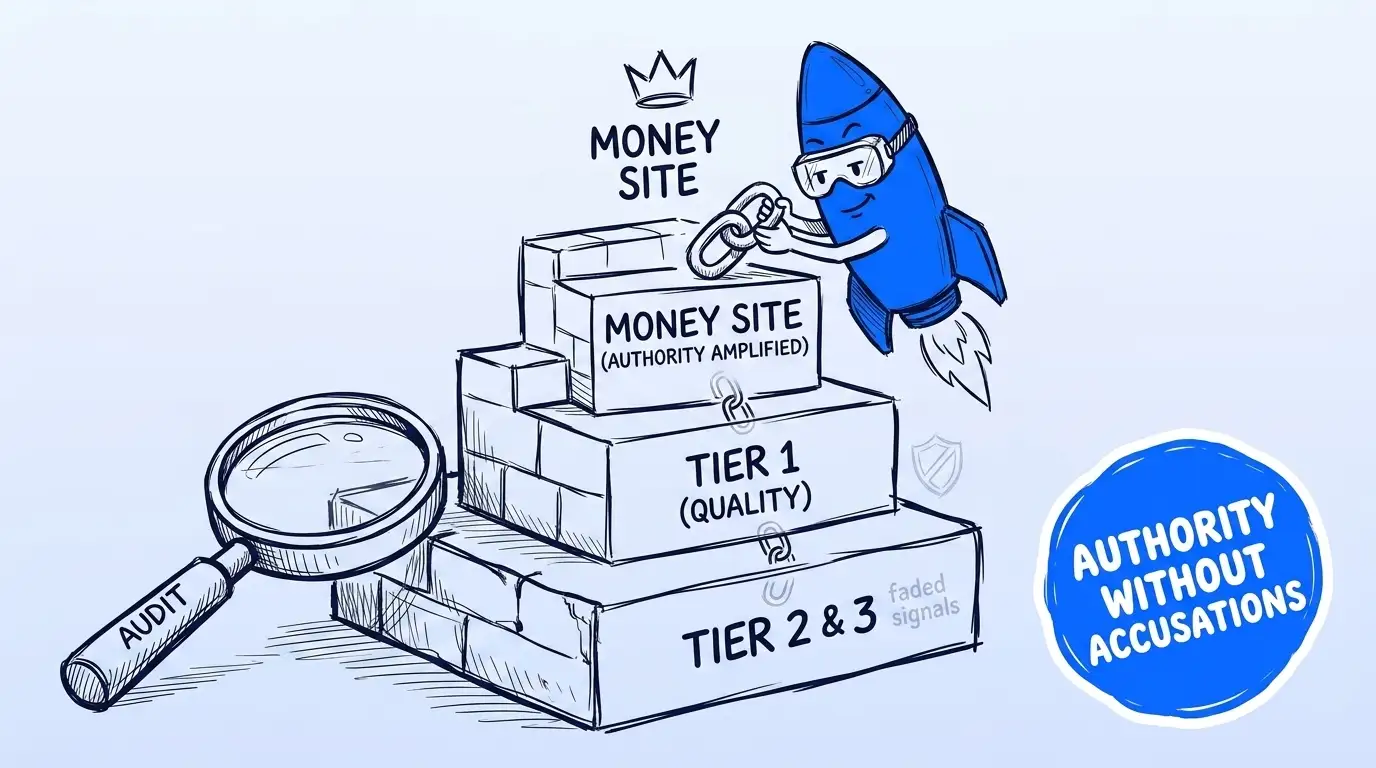
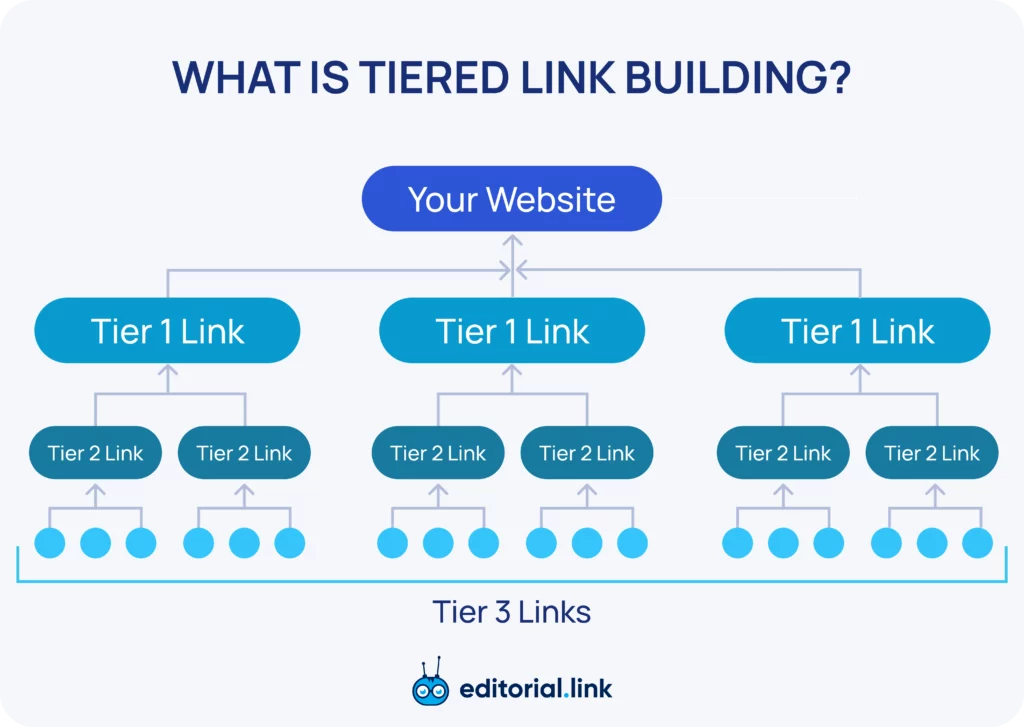
Practical Guidelines for Structuring Tiered Link Campaigns
If it's your home page and you have numerous keywords that you desire to get traffic from, make sure all of those keywords appear naturally in a logical sentence.
Much so that they have the keywords appear before the name of the business in the title tag. This is recommended as pages with the keywords closer to the start rank greater than those with keywords at the end. Front-loading your title tag sends a signal to Google that you 'd like your website to appear on searches with those keywords in it.
The you'll see a pop-up menu like this: Your Page Title is where you put your keyword-rich description. The 2nd product you see there is the Meta Description, and it's likewise an essential factor in on-page SEO optimization While the importance of the meta description as a ranking factor is challenged, it definitely has a part to play.
Building Resilient Multi-Tier SEO Systems Globally
When you put your keywords in the meta description, Google will vibrant it in search results page: You may get fortunate with your meta description and have those keywords appear from your menus. A better practice would be to compose a keyword-rich meta description which contains all the keywords you 'd like to be highlighted in search outcomes, like My Animal Storage facility have done.