How Data-Driven SEO Increases Campaign Performance
It is very important for SEO success as Google rewards websites that have clear and basic architecture with higher rankings. More so than any other type of website, ecommerce websites require to nail their architecture due to the big number of pages they have (classifications, items, etc). Consumers desire an easy and logical shopping experience through a great online layout.
It needs to be user-friendly and simple for consumers to discover products on your website. To guarantee you're doing this, there's a brief,, rule-book to follow. There are of ecommerce website architecture (so we'll put them in strong and make 'em huge): Before we look at an example which utilizes those two guidelines, we'll take a look at an example of architecture that breaks those guidelines.
If you wished to include new items or categories, it would be hidden deep in your site. This type of architecture breaks both guidelines. It takes far more than 3 clicks to get where you desire to go and it's not scalable, as your service and site should both be.
Steps for Creating Effective Multi-Tier SEO Roadmaps
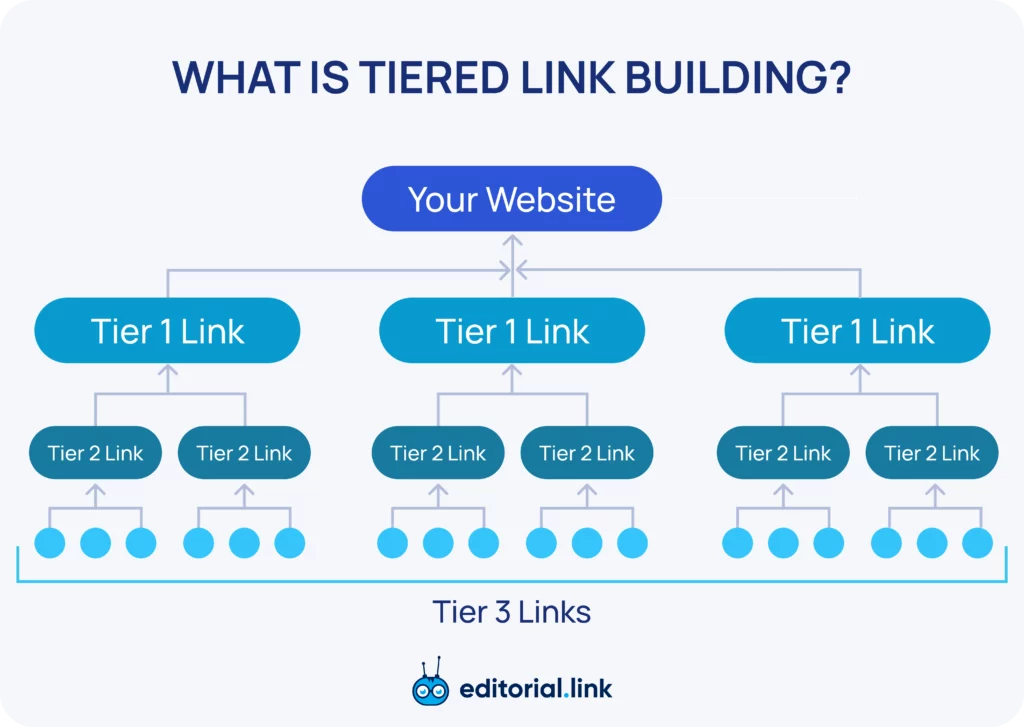
The most reliable page on your site is your home page. These classification pages then pass authority to your product pages by connecting to them.
Authority diminishes from your web page. The less you water down that authority, the more traffic you get. Here's what your website needs to look like. If you desire to get the most authority to the pages that make you money (your category and item pages), you need to look at your website architecture.
) This is what an excellent ecommerce website structure appears like: With this architecture your home page is dispensing the authority in a sensible and structured manner. No classification is orphaned or forgotten, and every product page is no more than 3 clicks away. Google likes this type of structure as it makes it extremely easy for the search engine to discover and index every page.
How to Align Technical Workflows With Advanced SEO
Now that your website architecture is arranged, let's look at some on-page SEO techniques for ecommerce sites. On-page SEO is everything about making sure your keywords are in the right places on your most essential pages, particularly your category and product pages. For ecommerce sites, these pages get the most traffic.
Apparently, Google utilizes 200 various factors when ranking your website. We're not going to go through all 200, however we'll go through some of the top functions your pages require to have to make sure they rank competitively.
For ecommerce sites, this is where you can really have fun with keywords appropriate to your business before you get to the specifics that product pages require. As a result, there's a few various tactics you can do to maximize visibility: The title tag is one of the most important signals that gets sent out to Google from your website.
Strategic Programmatic Template Optimization Methods
If it's your home page and you have several keywords that you wish to get traffic from, ensure all of those keywords appear naturally in a sensible sentence. Keyword stuffing is disapproved by Google and can even get your site hit with a penalty. Cork Arts Supplies is an example of a merchant with an enhanced on-page SEO method.
Much so that they have the keywords appear before the name of the service in the title tag. This is recommended as pages with the keywords closer to the start rank greater than those with keywords at the end. Front-loading your title tag sends a signal to Google that you 'd like your site to appear on searches with those keywords in it.
The you'll see a pop-up menu like this: Your Page Title is where you put your keyword-rich description. The 2nd item you see there is the Meta Description, and it's also a crucial aspect in on-page SEO optimization While the importance of the meta description as a ranking aspect is disputed, it certainly has a part to play.
GSA SER Profile FootprintTechnical Programmatic Template Refinement Techniques
When you put your keywords in the meta description, Google will bold it in search engine result: You might get fortunate with your meta description and have those keywords appear from your menus. A better practice would be to write a keyword-rich meta description which contains all the keywords you 'd like to be highlighted in search results page, like My Animal Warehouse have done.